A cleaner alternative, by design
PLA is a plant-based bioplastic made from renewable crop sugars. Clearth uses clear PLA for cold and ambient food, and CPLA - PLA crystallised during processing - for hot food up to 100°C. Our composting claims refer to industrial composting facilities and our certified range meets ISO 17088.
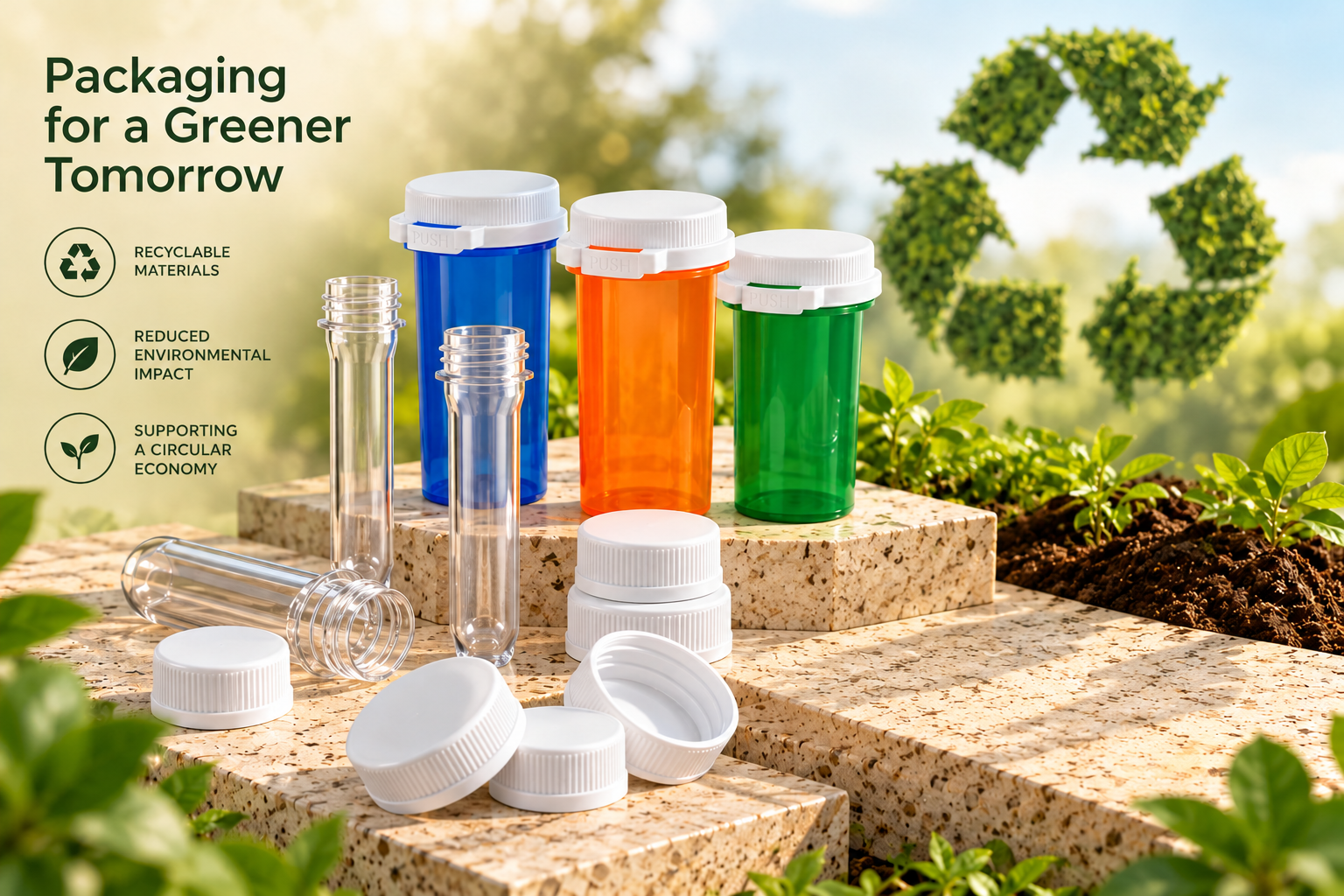
- Biodegradable
- Compostable
- Non-toxic
- Food-safe
Commercial composting, explained
Clearth's certified compostability claims refer to industrial composting facilities, where the right conditions support the material's intended end of life.
At the end of the process, the material breaks down into water, CO₂ and biomass, returning value to the next crop cycle.
- 01
Industrial compost
The certified range is designed for industrial composting, which manages the controlled conditions required for composting PLA packaging.
- 02
Home-compostable options
Beyond industrial compost, we can develop home-compostable solutions for brands whose customers will compost packs at home.
- 03
The next crop
The compost feeds the next crop, completing the plant-to-compost cycle that begins with renewable plant sugars.
Clearth's composting solutions
Clearth makes PLA and CPLA packaging in India, starting with renewable plant sugars and designing products for an industrially compostable end of life. For brands with a different end-of-life need, we can also develop home-compostable options.
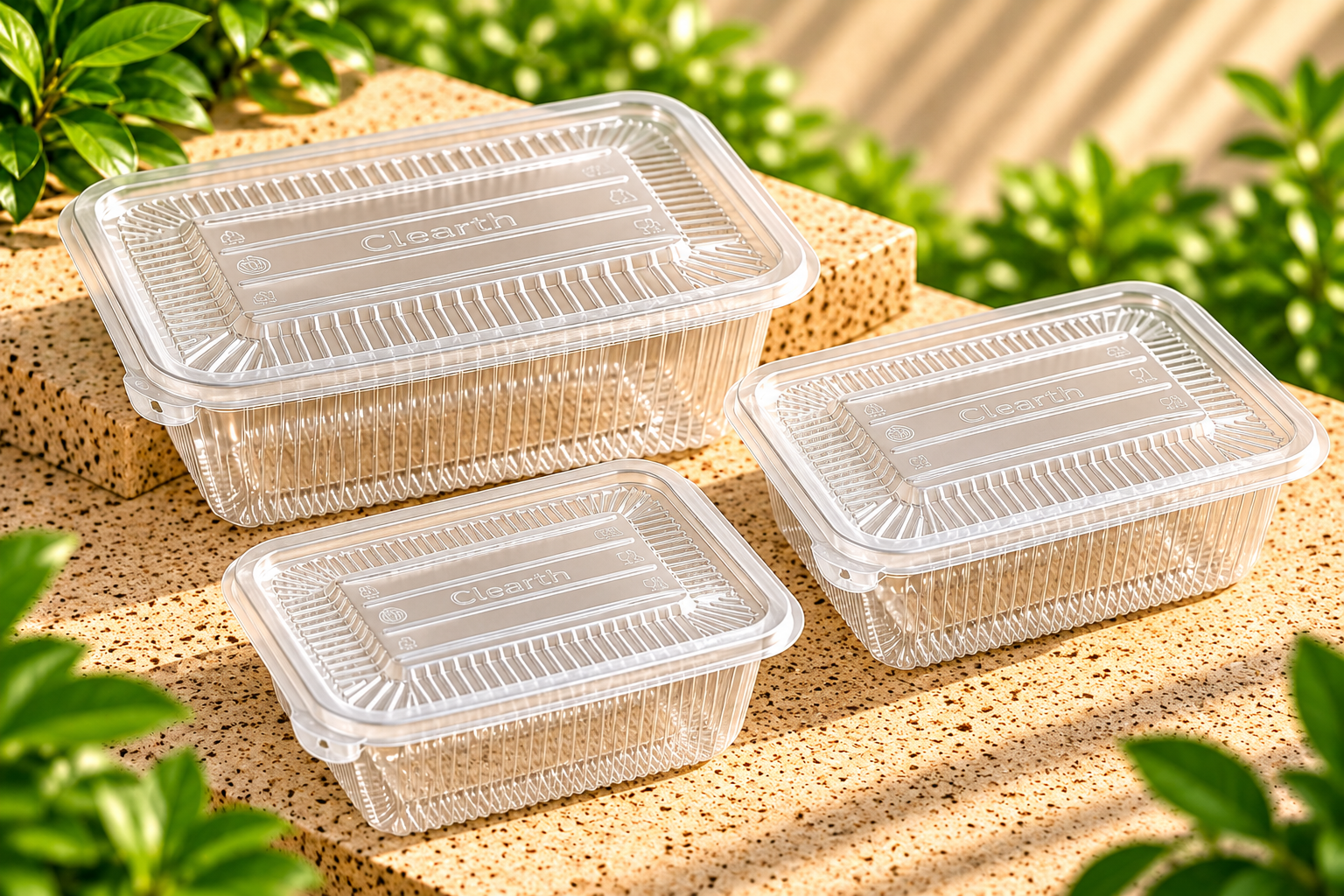
Plant sugars are fermented into lactic acid, then polymerised into PLA resin. Clear PLA serves cold and ambient food; crystallised CPLA handles hot food up to 100°C.